
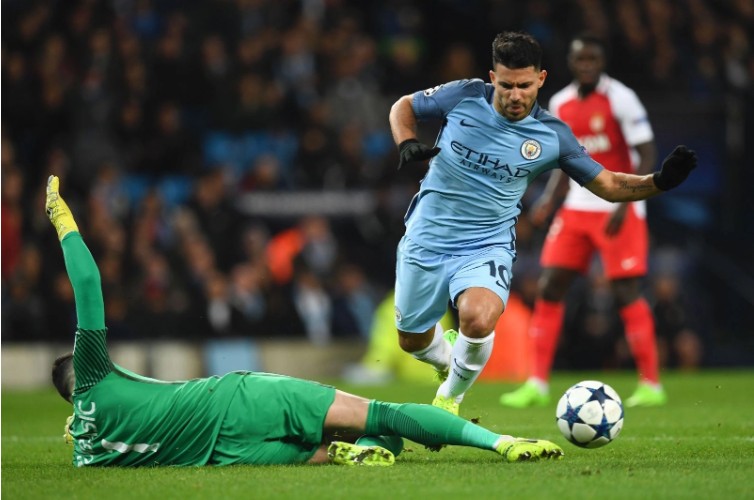
In modern football, with increasingly compact defenses, the ability to deliver a devastating cross remains a vital attacking weapon. This article, “The Art of the Cross,” delves into the precision, timing, and spatial awareness required to unlock wide areas and deliver the attacker’s dream ball. From whipped deliveries and pinpoint lobs to early crosses and cut-backs, understanding this specialized skill reveals how wingers, full-backs, and even midfielders can bypass central congestion and create decisive goal-scoring opportunities. To appreciate the intricate details of wide play and manage your football interests, ufabet เว็บหลัก will be a convenient tool for you.
More Than a Kick: A Calculated Delivery
A cross is more than just a kick into the box; it’s a calculated delivery, a moment where a player’s technical skill and tactical vision combine to split defenses and set up goals. It requires an understanding of both the position of teammates and the weaknesses of the opposition.
“The Art of the Cross”: Precision, Timing, and Unlocking Wide Areas
“The Art of the Cross” highlights the precision, timing, and spatial awareness required to unlock wide areas and deliver the attacker’s dream ball:
1. Precision: The Technical Nuances of Delivery:
- Weight of Pass: Crucial for allowing attackers to meet the ball with power and accuracy. A cross can be too light (easily intercepted) or too heavy (running out of play or allowing defenders to recover).
- Curve and Swerve: The ability to bend the ball away from or into defenders, using different parts of the foot (inside, outside, laces) to create spin and movement that makes it difficult for goalkeepers (linking to “The Goalkeeper’s Evolution”) and defenders (linking to “The Centre-Back’s Art”) to judge.
- Height and Trajectory: Choosing the correct height – a low drilled cross, a whipped inswinger, a floated delivery – depends on the situation, the positioning of defenders, and the attacking players’ strengths.
- Targeting Specific Zones: Aiming for specific areas (e.g., between the penalty spot and the 6-yard box, the back post, the near post) where attackers are making runs.
2. Timing: Synchronizing with Attacking Runs:
- Reading Runs: The crosser must anticipate the runs of their teammates – strikers (linking to “The False Nine and the Modern Striker”), wingers, and even midfielders making late surges.
- Early Crosses: Delivering the ball early from deep positions can catch defenders off guard, especially if they are pushed up or not set (linking to “The Tactical Chessboard”).
- Delaying for Space: Sometimes, delaying the cross and drawing a defender out can create space for a teammate to run into.
- Crossing on the Move: Delivering crosses accurately while running at high speed requires exceptional balance and coordination (linking to “The Athlete Machine”).
3. Unlocking Wide Areas and Tactical Importance:
- Bypassing Central Congestion: In modern football, central areas are often tightly packed. Crosses allow teams to bypass this congestion and exploit the wider channels.
- Creating Overloads: A full-back (linking to “The Wing-Back’s Ascendancy”) or winger getting into a crossing position often stretches the opposition’s defense, creating space elsewhere.
- Set-Piece Threat: While distinct, the principles of crossing are fundamental to corner kicks and wide free-kicks (linking to “The Set-Piece Specialist”), making it a vital skill in dead-ball situations.
- Variety in Attack: A team that can cross effectively adds another dimension to its attack, preventing opponents from simply defending narrowly.
- Identifying Weaknesses: Targeting defenders who are weaker in the air or goalkeepers who struggle with high balls.
4. Types of Crosses:
- Whipped/Driven Cross: Fast and flat, difficult for defenders to clear.
- Floated Cross: Looping delivery, giving attackers time to position themselves, often aimed at the back post.
- Cut-Back: A cross pulled back from the byline to a player arriving late in the box, often from a deeper position.
- Low Cross: Drilled across the 6-yard box, looking for a tap-in.
Training and Key Players
Training for crossing involves repetitive drills focusing on technique from various angles, combined with drills that emphasize understanding attacking runs and defensive positioning. Players like David Beckham, Trent Alexander-Arnold, and Kevin De Bruyne are renowned for their crossing ability, consistently providing pinpoint deliveries.
Conclusion
“The Art of the Cross” is a testament to the blend of technical precision and tactical vision that defines football’s most incisive deliveries from wide areas. It encapsulates the precision, timing, and spatial awareness required to unlock defenses and deliver the attacker’s dream ball. In an era where central areas are increasingly stifled, the ability to exploit the flanks and provide accurate, varied crosses remains an indispensable skill, cementing its status as a beautiful and devastating offensive weapon in the modern game. To appreciate the intricate details of wide play and manage your football interests, ufabet เว็บหลัก will be a convenient tool for you.