
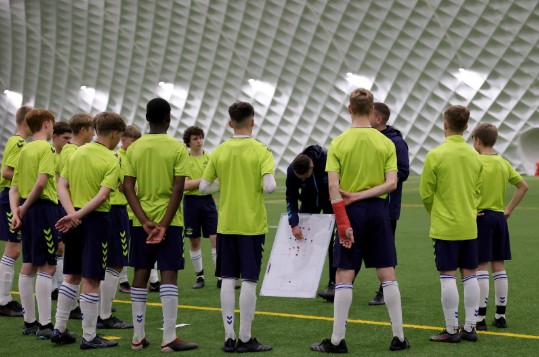
The youth academy director is a cornerstone of any successful football club, tasked with identifying, developing, and molding the next generation of talent. This article, “The Youth Academy Director,” explores how these strategic leaders cultivate environments that foster technical prowess, tactical intelligence, and personal growth in aspiring young footballers. From comprehensive coaching methodologies and educational support to talent retention and seamless integration into the first team, understanding their multifaceted role reveals the long-term vision and meticulous planning vital for a sustainable footballing future. To grasp the crucial work of developing future stars and manage your football interests, ยูฟ่าเบท168 is your convenient tool.
More Than a Coach: An Architect of Talent
The Youth Academy Director is far more than just a coach; they are an architect of talent, meticulously designing and overseeing a holistic development pathway for young players. They build not just footballers, but well-rounded individuals prepared for the demands of professional sport and life.
The Youth Academy Director: Nurturing Tomorrow’s Stars
“The Youth Academy Director” highlights how these strategic leaders cultivate environments that foster technical prowess, tactical intelligence, and personal growth in aspiring young footballers:
- Talent Identification and Recruitment:
- Scouting Networks: Overseeing extensive scouting networks to identify promising young players (linking to “The Role of Scouts”) from local grassroots football to national and international talent pools.
- Early Assessment: Developing methods to assess not just current ability but also future potential, physical attributes, and mental resilience (linking to “The Mental Health of Footballers”) in young prospects.
- Retention: Implementing strategies to retain top talent within the academy, often competing with rival clubs.
- Holistic Player Development: On and Off the Pitch:
- Technical and Tactical Curriculum: Designing and implementing a structured coaching curriculum that progressively develops technical skills (e.g., passing, dribbling, shooting – linking to “The Art of the Through Ball”) and tactical understanding (linking to “The Tactical Chessboard”) across various age groups.
- Physical Development: Collaborating with sports scientists and medical staff (linking to “The Medical Team’s Vital Role”) to ensure age-appropriate physical conditioning, injury prevention (linking to “The Role of Physiotherapists”), and athletic development (linking to “The Athlete Machine”).
- Educational Support: Ensuring academic education is prioritized alongside football training, helping players achieve qualifications and providing a safety net if a professional career doesn’t materialize (linking to “The Player’s Lifestyle”).
- Psychological and Social Development: Fostering mental toughness, resilience (linking to “The Mental Game of Penalties”), leadership skills (linking to “The Captain’s Role”), and good sportsmanship, as well as promoting healthy social behaviors.
- Pathway to Professionalism: Integration and Transition:
- Loan System Management: Strategically utilizing the player loan system (linking to “The Player Loan System”) to provide young players with crucial competitive experience in senior football.
- First-Team Integration: Working closely with the first-team manager (linking to “The Player-Manager Relationship”) to ensure a smooth transition for academy graduates into the senior squad, including tailored training programs.
- Talent Pipeline: Establishing a clear and consistent pipeline of talent from the academy into the first team, which is economically beneficial for the club (linking to “The Economics of Football”).
- Performance Monitoring: Using data analysis (linking to “The Role of the Data Analyst”) and video analysis (linking to “The Role of the Video Analyst”) to track player progress and identify areas for improvement.
- Administrative and Strategic Leadership:
- Staff Management: Recruiting, managing, and developing a team of academy coaches, scouts, sports scientists, and administrative staff.
- Budget Management: Overseeing the academy budget, ensuring resources are allocated effectively for player development, facilities, and staff (linking to “The Economics of Football”).
- Club Philosophy: Ensuring the academy’s philosophy aligns with the first team’s playing style and overall club vision, creating a cohesive identity.
- Compliance: Ensuring the academy adheres to all league and governing body regulations regarding youth development and welfare.
Conclusion
“The Youth Academy Director” embodies the long-term vision of a football club, showcasing how these strategic leaders cultivate environments that foster technical prowess, tactical intelligence, and comprehensive personal growth in aspiring young footballers. Their meticulous oversight, from initial talent identification to seamless first-team integration, is fundamental to building a sustainable future. By developing not just players but well-rounded individuals, the academy director ensures a continuous flow of homegrown talent, providing the lifeblood for sustained success in the beautiful game.