
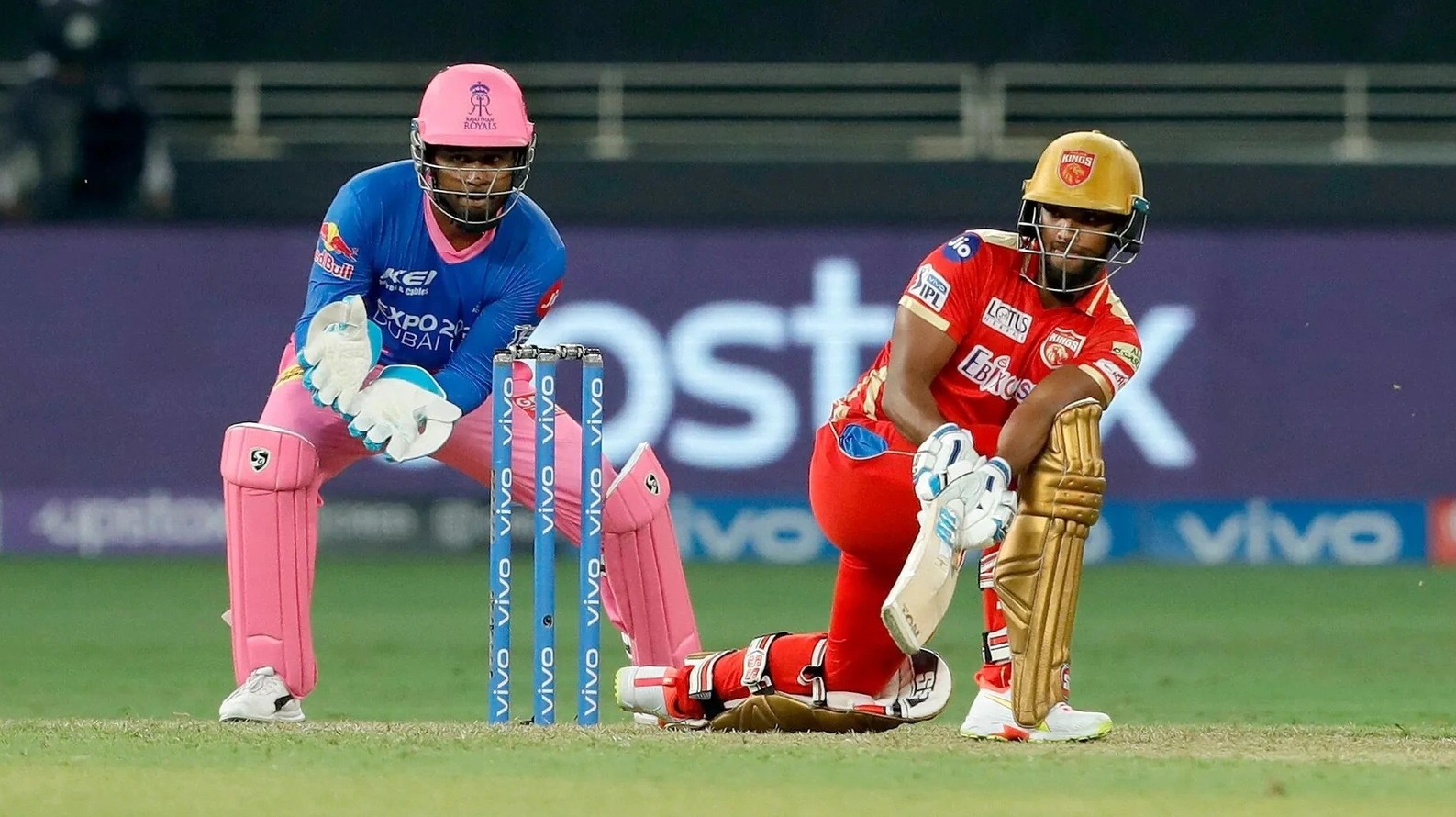
Some match moments are simple to watch, but hard to explain. A quick wicket, a tight spell, a sudden shift in required rate. People want the current score, then a plain sentence that makes the moment make sense. A well-structured live page supports that by keeping the essentials stable and by presenting details in an order that matches how cricket is usually talked about.
A live score should answer the first questions fast
The first glance has a checklist. Who is batting. What is the total. How many overs are done. How many wickets are down. If it is a chase, what the required rate is right now. Those answers need to sit in the same place every time. When they move around, the brain wastes time re-scanning instead of understanding the match. That matters even more for people who check a score between other tasks, then come back later and expect the page to feel familiar.
A clean source also helps when someone wants to explain the match to others. One quick look at here gives the hard facts needed to write a short update that is accurate. That is useful for students, family group chats, or anyone trying to learn the sport without drowning in jargon. The best live pages do not try to talk like commentators. They keep the numbers clean and let the viewer decide what the moment feels like.
Put match context where the eye naturally goes
After the core score line, most people look for the current batters and the bowler. That is where the match actually lives. A live page should show batter runs and balls clearly, then bowler figures with overs and economy in a consistent format. If a page hides those details behind extra taps, it slows down the basic task of understanding what is happening.
Commentary has a place, but it should not overwhelm the score. Many fans use commentary to confirm one event, then leave. Short, factual lines work better than long paragraphs. Recent overs are often more valuable than full commentary because they show momentum in a compact way. A good layout makes recent overs easy to find without forcing endless scrolling.
Make refresh behavior feel stable
Live tracking depends on repetition. If the page jumps on refresh, it breaks the flow. Columns should not shift when numbers gain digits. Overs should not wrap in weird places. The core score line should stay visible without the user needing to scroll back up. These are small details, but they decide whether the page feels smooth or annoying.
On mobile, stability matters even more. People refresh with one thumb. If the interface moves, they lose their place. A compact sticky strip that holds team, total, overs, and wickets can help, as long as it does not cover the main information. The rest of the page can carry deeper details for anyone who wants them.
Useful learning cues for readers who want to understand cricket better
A live page can quietly teach without turning into a textbook. Tiny cues help. Clear labels for extras. A consistent way to show partnerships. Obvious markers for reviews and their outcomes. A visible time stamp that shows when the score last updated. These cues let a reader build understanding over time, especially when they follow matches regularly.
One list is enough to show what supports learning without overwhelming the page:
- Clear definitions for abbreviations on tap or hover, written in plain language.
- A stable fall-of-wickets module that shows the match story in one glance.
- Partnership size placed near the current batters, because it explains stability at the crease.
- A chase view that keeps required rate close to current run rate, so pressure is obvious.
- Review outcomes labelled plainly, with no dramatic wording.
A steady wrap that keeps the experience trustworthy
A live cricket page works best when it respects attention. Put the core score first. Keep the layout consistent. Use plain labels for tricky moments. Make refresh behaviour stable. Then the page becomes easy to use for serious fans and easier to understand for people still learning. The match can be intense, but the way it is presented can stay clear, calm, and simple to explain.