
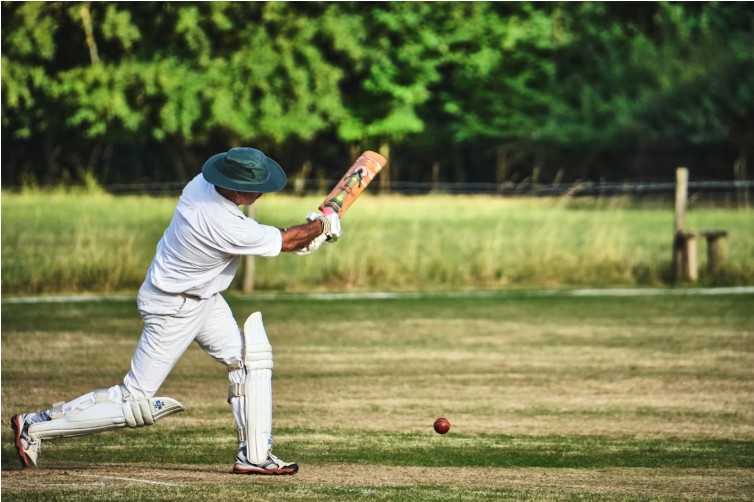
Cricket in India is not only a match on a screen. It is a weekly rhythm, a family conversation, a workplace debate, and a reason for friends to gather. That rhythm can become useful when fans turn match attention into small movement habits.
The cricket conversation now moves through scorecards, highlights, podcasts, fantasy chats, and wider sport information pages such as bc game online. The healthier question is what happens after the fan has checked the update.
A weekly routine does not need a stadium, a coach, or a full kit bag. It can begin with walking before a match, stretching during breaks, or playing a short game on the weekend. For many Indian fans, cricket already supplies the trigger. The body only needs to join the ritual.
Why cricket is a natural habit cue
Cricket has something most fitness plans lack: a fixed emotional calendar. There are match days, squad announcements, toss updates, innings breaks, post-match clips, and tournament weeks. Fans already make time for these moments, so movement can be attached to them without rebuilding the whole week.
This is important because many people do not fail at fitness due to lack of interest. They fail because the habit has no clear place in the day. A match creates that place. If there is a game in the evening, the fan can walk before it starts. If there is a Sunday match, the morning can become a casual cricket hour with friends.
The goal is not to train like a professional. It is to use cricket’s structure as a reminder. When “match today” starts to mean “move today,” fitness becomes less abstract.
A simple cricket-linked weekly plan
A practical routine should survive office hours, school schedules, traffic, heat, and family duties. That means short sessions work better than dramatic promises. The plan should feel close to normal life.
A fan can build the week like this:
- Match day: 20 to 30 minutes of walking before the first over.
- Innings break: standing stretches for shoulders, hips, calves, and lower back.
- Non-match weekday: 15 minutes of bodyweight strength, such as squats and push-ups.
- Weekend: a short game of cricket, badminton, football, or kabaddi with friends.
- Recovery day: light yoga, mobility, or an easy family walk.
This is not a strict athletic programme. It is a framework. The fan can adjust the activity by age, fitness level, weather, and health condition.
Turning watching into participation
Cricket viewing can become very passive. A fan may sit through the toss, both innings, analysis, clips, and reaction posts. The mind is active, but the body may remain still for hours.
A better approach is to make the match itself a timer. Stand after every five overs. Stretch at drinks breaks. Walk during the innings change. Keep water nearby and avoid making every game a long snack session.
This kind of routine also protects the joy of watching. It does not ask fans to give up the match. It simply changes the body position around it. Over time, those small interruptions can reduce the feeling that sport only belongs to athletes on the field.
Why this suits Indian cricket culture
Cricket in India is already social and flexible. It can be played in a ground, a lane, a school space, a beach stretch, or a housing society compound. That makes it useful for active living because the informal version is often more accessible than formal exercise.
The social pull matters. A person who avoids solo workouts may still agree to bat for 20 minutes, bowl a few overs, or field with friends. Families can adapt the same idea with walking challenges during a series or short movement breaks during a big match.
India’s public fitness messaging supports this wider idea. The Fit India Movement frames fitness as something that should become part of daily life. Khelo India also places attention on grassroots sport and participation. Cricket fans do not need to wait for a national campaign to act, but those signals make the direction clear.
Common mistakes fans can avoid
The first mistake is waiting for a perfect schedule. A fan may think movement only counts if it lasts an hour or happens in a gym. In reality, walking, play, sport, cycling, mobility, and active recreation all count as physical activity.
The second mistake is copying professional intensity. Cricket players train with coaches, strength staff, medical support, and planned recovery. Everyday fans need consistency before intensity. A brisk walk, a short game, and basic strength work are safer starting points for most people.
The third mistake is letting late-night cricket damage sleep. Big finishes can lead to long scrolling, repeated highlights, and next-day fatigue. A simple cut-off helps: watch the match, take a short walk, then stop the screen loop.
How to keep the routine alive
A cricket-linked routine works best when it is visible. Keep shoes near the door on match day. Put a reminder 30 minutes before the start. Ask one friend to join the walk or weekend game. Small cues reduce the need for willpower.
Tracking can help, but it should not become pressure. Steps, minutes, or weekly sessions are useful only if they make the habit easier to understand. The point is not to create another scoreboard for guilt. The point is to notice patterns and repeat what works.
Cricket fans already understand momentum. A batter builds an innings ball by ball. A bowler sets up a spell over several overs. Fitness follows the same logic. Small actions look ordinary on one day, then become meaningful when repeated across weeks.
The fan ritual can become healthier
The strongest version of cricket fandom is not only louder or more informed. It is more active. It lets the excitement of a match move beyond the screen and into the day.
That may mean a walk before the first over, stretches during the break, a weekend game with friends, or a family routine during a tournament. None of these changes need to be dramatic. They simply make the fan part of the energy that cricket already creates.