
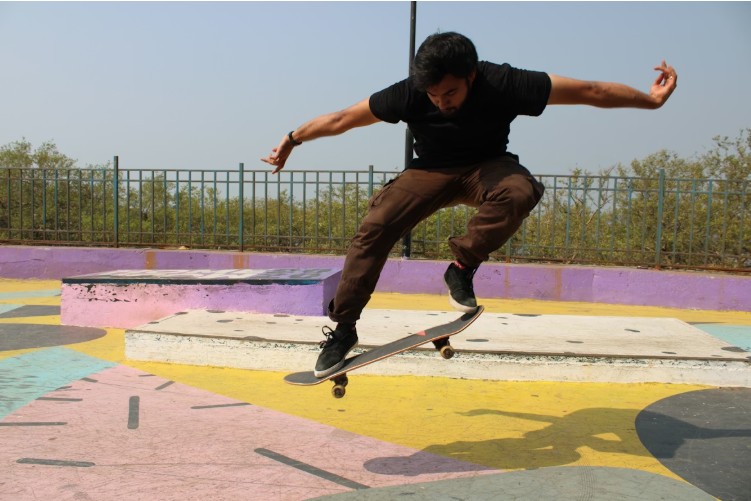
Sport in India is often seen through big moments: a packed cricket ground, a school tournament, a kabaddi raid, a badminton rally watched late into the evening. Yet the more useful story may be smaller. It is the shift from sitting and watching to walking, stretching, cycling, playing and returning the next day.
This shift also sits beside the digital habits of modern fans. Scores, fixtures, analysis pages and sports platforms shape how people follow games, while access pages such as melbet login india appear within that wider online sports ecosystem. The more lasting question is offline: can the energy around sport help people in India move more often?
An active lifestyle does not begin only with a gym membership or a formal training plan. It can begin with a walking group, a weekend match, a school ground, a cycling route or a family routine after dinner. Sport gives daily movement a reason, and that reason often matters more than motivation alone.
Why walking is often the first sport habit
Walking is simple, flexible and easy to repeat. It does not ask for a coach, a kit bag or a perfect schedule. For many people, that makes it the most realistic entry point into active living.
The link to sport is stronger than it first appears. A person who walks with friends after discussing a match is still building endurance. A parent walking a child to practice is adding movement to the day. A fan who starts evening walks during a tournament season may discover that the habit remains after the final.
This is where walking clubs, neighbourhood groups and informal park routines matter. They reduce the pressure of “fitness” and replace it with attendance. You show up because others are there, and the body benefits from that quiet consistency.
How playing fields turn movement into community
Playing fields do something a screen cannot do. They make movement shared. A casual cricket game, a five-a-side football session or a badminton hour creates a small social contract: people arrive, participate, rest and return.
That social layer is important because active habits often fail when they feel lonely. Sport adds roles and rhythm. Someone brings the ball, someone keeps score, someone encourages the beginner, and someone reminds the group about next week.
The result is not elite performance, and it does not need to be. It is movement with identity. A person may not call themselves “fitness-focused,” but they may still become the regular fielder, the doubles partner or the friend who never misses the Sunday walk.
What the activity numbers suggest
The need for daily movement is not abstract. WHO guidance points adults toward 150 to 300 minutes of moderate aerobic activity a week, or 75 to 150 minutes of vigorous activity. For children and adolescents, the guidance is an average of 60 minutes of moderate-to-vigorous activity per day.
India’s challenge is visible in recent physical activity data. A 2024 India physical activity profile estimated that 49.4% of adults were insufficiently active in 2022. The same profile estimated insufficient activity at 74% among children and adolescents aged 11 to 17.
These numbers should not make activity feel impossible. They should make small, repeatable changes feel urgent. A brisk walk, a cycling commute, a short game, stair climbing and active errands all help when they reduce long hours of sitting.
How policy and local culture can meet
India already has national programmes that connect sport and public health. Fit India was launched in 2019 with the aim of making fitness part of daily life. Khelo India focuses on reviving sports culture at the grassroots level and building a stronger framework for sport across the country.
The policy direction matters, but local culture decides whether movement becomes normal. A new court, a school competition or a community sports day works best when people feel welcome to use it. Access, safety, timing and affordability shape whether a space becomes active or stays symbolic.
This is why the active shift must include both infrastructure and habit. Programmes can create platforms, but families, schools, offices and neighbourhoods turn those platforms into routines. The practical win is not only producing athletes. It is making regular movement feel ordinary.
A simple weekly model for active living
A sport-inspired week does not need to be extreme. It should be easy enough to repeat and varied enough to keep the body interested. The goal is to build a base, then let confidence grow.
A realistic weekly pattern could include:
- three brisk walks of 20 to 30 minutes;
- one casual game, such as cricket, football, badminton or basketball;
- two short strength sessions using body-weight movements;
- five minutes of stretching after long sitting periods;
- one family or group activity outdoors.
This model works because it borrows from sport without demanding a player’s schedule. There is movement, recovery, rhythm and social contact. It also leaves room for weather, work, study and family responsibilities.
Why the shift must stay inclusive
India’s active shift cannot depend only on young, urban or already-fit people. Children need safe spaces to play. Women need time, safety and social permission to participate. Older adults may need walking groups, balance work and gentle strength routines.
Different cities and towns will need different answers. Heat, monsoon rain, traffic, air quality, work hours and access to parks can change what is practical. A flexible habit is better than an ideal plan that collapses after one busy week.
Sport helps because it offers many entry points. Some people begin with walking, some with yoga, some with cycling, some with a neighbourhood game. The shared principle is simple: less sitting, more regular movement, and a routine that can survive real life.
The active lesson from Indian sport
Indian sport already knows how to gather people. The next step is to use that gathering power beyond the screen and the stadium. A match can spark a walk, a school event can create a habit, and a weekend game can make movement feel social again.
From walking clubs to playing fields, the active shift is not about turning every fan into an athlete. It is about making movement part of ordinary culture. When sport becomes a reason to step outside, daily fitness stops feeling like a separate project and starts feeling like a way of living.