
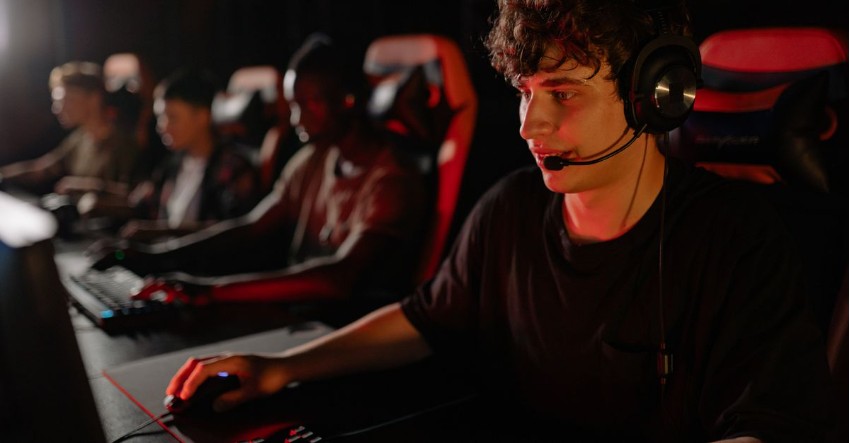
Why do some online games keep people coming back for years while others fade fast?
The answer is usually not only the mechanics or the visuals. It is the community architecture built around the game, which shapes how people meet, talk, compete, and stay involved. That structure turns a solo activity into a shared social space, and that shift often decides long-term success.
Online gaming succeeds when players feel that their actions matter to other people. Strong community systems give players reasons to return beyond winning a match, since identity, trust, and group memory all grow inside those systems.
Why Community Structure Matters
The social structure around a game affects how people behave inside it and how long they stay interested.
Players do not only log in for goals on a screen. They return because they have teammates to meet, rivals to face, and groups that remember their progress. A game with clear social layers gives players a reason to care about more than the next round, and that care raises retention.
Good community architecture also lowers friction. If players can find others at their level, join a group without confusion, and understand where to talk, they settle in faster. Confusing social systems create isolation, while clear ones create momentum.
Games that support community well also create a sense of identity. A player who belongs to a guild, clan, or regular team is more likely to keep showing up because leaving means leaving people, not just software. That human link is one of the strongest drivers of long-term activity, and it is part of why some players stick with slot88 discussions as social spaces rather than treating the experience as a solo task.
Spaces That Let Players Connect
Connection starts with the places where players can interact naturally.
Chat Channels And Lobbies
Open chat, private messages, and waiting areas give players low-pressure ways to talk. These spaces matter because not every relationship starts with competition. Some begin with small talk, quick advice, or shared jokes before turning into regular play sessions. That gradual buildup makes the community feel human instead of mechanical.
Guilds, Clans, And Teams
Group features organize players around shared goals and repeat contact. A team gives structure to social life inside a game, and that structure helps players build habits. Regular meetings, shared wins, and coordinated play all strengthen attachment because each session adds to a common history.
Games that support persistent groups also make coordination easier. Players know where to go, who to ask, and what role they are expected to fill. That clarity keeps social effort low and participation high.
Systems That Reward Social Behavior
Players respond to incentives, and community systems work best when they reward good interaction as much as individual skill.
Recognition features are a simple example. When players can endorse teammates, highlight helpful behavior, or show public status earned through teamwork, the game signals that cooperation matters. That signal shapes the tone of the community over time.
Shared progression also helps. If a group earns rewards together, players feel that attendance and support count. That feeling is powerful because it turns social reliability into something visible. It also creates accountability, since other players notice who shows up and who helps the group move forward.
Reputation systems matter too. Players are more likely to act carefully when their behavior affects future access to teams or events. Well-structured reputation tools reduce toxic behavior by making actions have social consequences, not just immediate results. That keeps communities stable and makes regular participation more attractive.
Moderation And Trust
Healthy communities need clear boundaries, and players notice when those boundaries are missing.
Moderation is not only about punishment. It is also about giving players confidence that the space is fair. When rules are visible and enforcement is consistent, people are more willing to speak, compete, and cooperate without fear of constant harassment. That trust supports deeper participation because players can focus on the game instead of defending themselves from avoidable abuse.
Reporting tools, chat filters, and human review all play different roles. Filters reduce immediate harm, reports capture patterns, and review systems handle context. Together, they form a structure that protects social activity without making the space feel lifeless. Communities stay active longer when players believe the rules apply to everyone.
Clear moderation also helps new players. First impressions matter, and a friendly start increases the chance that someone stays. If newcomers see organized, respectful interaction, they learn quickly that the game has a real social standard.
Events That Keep The Group Active
Scheduled activity gives communities rhythm, and rhythm keeps people returning.
Live Events And Seasonal Changes
Timed events create shared moments, which are powerful because many players experience them together. A live challenge or seasonal change gives the community something to discuss, compare, and complete at the same time. Shared timing strengthens memory, since people remember what happened during a specific event, not just that they played.
Player-Driven Activities
Community-led contests, fan projects, and in-game traditions give players ownership. That ownership matters because people invest more effort in spaces they help shape. A group that creates its own customs does not feel like a crowd passing through. It feels like a social network with its own habits and language.
That same feeling can appear in play styles linked to reward chasing, where community chatter around a slot jackpot can keep people talking about outcomes, patterns, and shared experiences long after a session ends.
Identity And Belonging
People stay where they feel seen, and online games often build that feeling through small but repeated signals.
Avatars, titles, ranks, and cosmetic choices let players present themselves to others. Those signals make social interaction easier because other players can read status, style, or role at a glance. Identity systems are not just decorative. They help players find peers, avoid mismatches, and feel recognized inside the group.
Belonging also grows through memory. When players remember old matches, old jokes, or old team decisions, the community gains history. That history gives the game a social timeline, and timelines keep people attached longer than isolated sessions ever could.
The strongest communities do not depend on one feature. They combine spaces for contact, systems for cooperation, fair moderation, and events that give people something to share. That mix turns online gaming into a place where social structure supports long-term success.