
History of Traditional Indian Games and Jhandi Munda Online Game
Gaming has been an important aspect of Indian culture for centuries and the country has a long and vibrant history of traditional games that are still popular today. Games were not just created for the purpose of entertainment, they also have cultural, social, and sometimes even spiritual significance. Gaming is particularly popular during traditional festivals where family and friends will join together to celebrate local traditions.
Dice games such as Jhandi Munda have deep roots that date back to ancient Indian history. These games were enjoyed among the different social classes and were enjoyed because they provided entertainment that was based around chance and strategy. Another aspect that contributed to their widespread popularity was the need for minimal equipment and the simple game mechanics that were easy to learn.
The Origins of Jhandi Munda and Transition To Digital Versions
The jhandi munda online game is one of many simple and engaging dice games that was often played on street corners, at fairs, and when families gathered together. This centuries-old dice game originated in the northeastern regions of India. It was transformed into a digital version that can be enjoyed in online casinos that was jointly developed by several game providers including Mplay and TaDa Gaming. As a result, it has now found a new online home.
The simple game mechanics and thrill of the game has made it very popular with online gamers. It invokes a feeling of nostalgia among Indian players but also has a wide appeal to international gamers. The game celebrates a blend of traditional heritage and offers the convenience and fun in modern gaming ecosystems that provides an immersive and dynamic experience that will not soon be forgotten.
What is Jhandi Munda and How Is It Played?
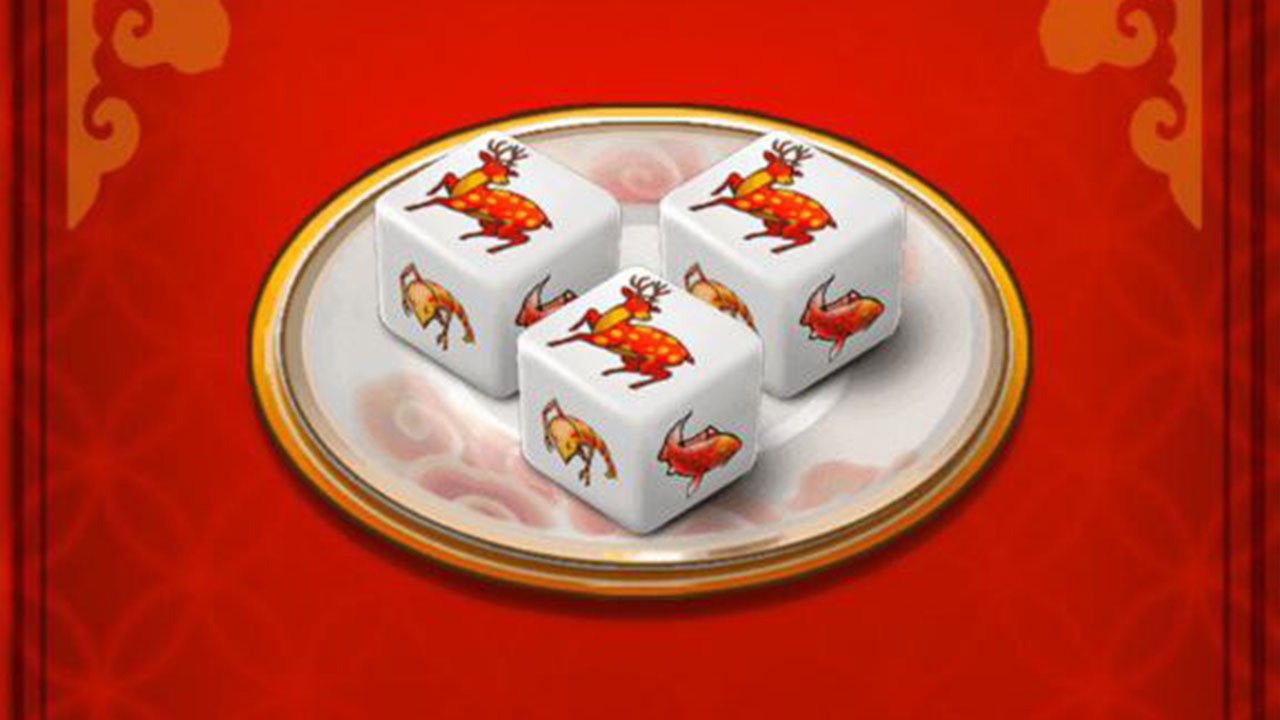
Jhandi Munda is a simple yet dynamic dice game that has not lost its appeal even though it has existed for centuries. The equipment for the game is simple – there are special dice that have symbols instead of numbers. This classic game is a historical gem and its digital transformation has brought it to virtual casino floors which means that it can now be enjoyed by audiences around the world.
The online game has retained its cultural charm but has been enhanced through the use of modern graphics and smooth interfaces and offers exciting betting options, strategic decision making, vibrant visuals, and straightforward game mechanics that make it quite easy to learn.
The objective of the game is to predict which of the six symbols: Club, flag, face, heart, diamond, or spade will appear the most often on the six dice that are used to play the game. Though the traditional game uses six dice, online versions often use only three. Gameplay is simple.
Once logged into a reputable casino platform, gamers need to navigate to where Jhandi Munda is and open the game. Gamers then need to place bets on the symbols that they believe will appear the most often. Dice are rolled either virtually or on a live stream and the platform will automatically indicate how many times each one of the symbols appears. If a gamers chosen symbol appears the winnings are instantly credited to the player account and the amount won will depend on how many times the chosen symbol appears. If gamers wish for another game they simply repeat the process.
The Importance of Cultural Preservation via Technology
Preserving the past will dictate the future of the human race. It is therefore crucial to be able to preserve, interpret, and understand the past in order to influence events that will take place in the future. Different countries have varying cultural traditions and it is important to preserve these to create a solid connection that will ensure that cultures and traditions remain strong going into the future.
Technology can have a negative effect on the preservation of ancient traditions and some cultural practices have and can be lost in our rapidly developing digital ecosystems. The convenience and comfort that the modern day technology provides can create a strain on the bonds and customs that have traditionally created tight knit communities and even cause certain demographics to feel that they are no longer connected with the rest of society.
However, when used creatively, technology can also have a very positive impact in preserving culture through the use of virtual spaces, tools, and portals where cultural traditions can be documented, shared and safely stored. The digital universe also means that cultural traditions can be shared with others around the globe which helps not only to preserve different cultures but also contributes to a broader understanding, appreciation, and acceptance of how and why different societies around the world function differently and the reasons why.
As technology continues to advance, there are many innovative ways that enable the vast wealth of cultural diversity to be preserved and celebrated. Digital universes help to create a connection between the past, present, and the future.
How The Blend of Heritage and Innovation Will Continue to Influence Traditional Indian Games
The gaming industry has quickly infiltrated the entire globe and there are thousands of different genres of gaming that range from casual to competitive formats that are enjoyed by billions of players worldwide.The technology that influences the development and production of games around the world is the result of deep reflection and complex processes.
India has over one billion gamers and has become an important player in the gaming ecosystem due to a robust internet infrastructure and smartphones that are cheap and easily accessible even to users in remote areas in the country.
India’s rich gaming traditions and cultural heritage that includes ancient mythology and storytelling has had a significant influence on the country’s gaming industry. The inspiration for many game designs which include intricate patterns, vibrant colours, and immersive landscapes are taken directly from traditional Indian architecture and art which when blended together creates innovative, authentic, and stunning visual experiences.
Ninety percent of the gaming population (45% of India’s youth spend six to eight hours a week gaming) access game play on smartphones and mobile devices. Games such as Ludo and Carrom have been cleverly adapted for mobile first users and offers users the opportunity to enjoy these timeless favourites in a new way that is interactive and dynamic.
There will be a continued demand for traditional Indian games as they respect traditional societal rules in modern formats that keep them relevant among digital users. The government support and professional Indian leagues have proven that local games can achieve global status. Traditional Indian games such as Jhandi Munda will continue to evolve in the future as they adapt to technological advancements and modern lifestyles while at the same time retaining their cultural values and integrity.