
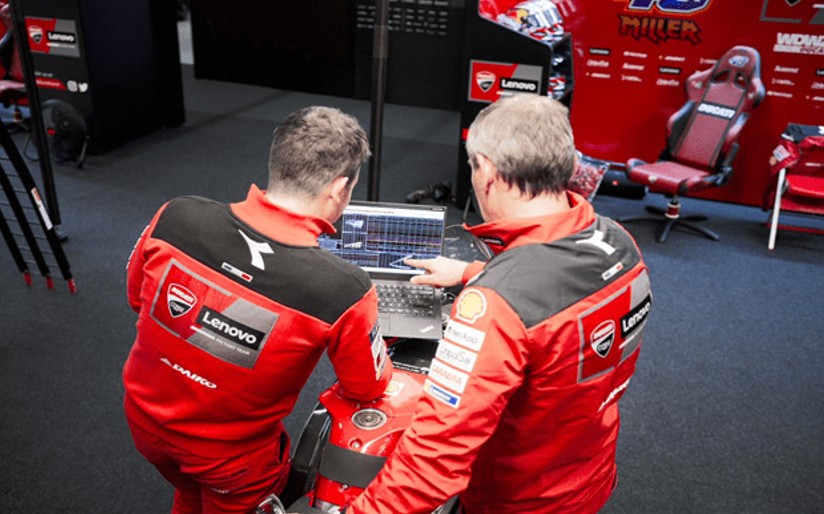
Motorsport media and online slot ecosystems operate in high-intensity digital environments. Both depend on structured uncertainty, performance measurement, and rapid feedback cycles to sustain attention.
MotoGP platforms analyze lap times, tire strategy, rider consistency, and weather conditions. Slot ecosystems structure probability curves, payout mechanics, and feature triggers. The mechanics differ, but the engagement architecture shares fundamental principles.
High-Performance Architecture and Structured Game Design
Data Density and User Expectation
Motorsport media platforms deliver high-resolution analytics. Fans expect split times, sector performance comparisons, and championship standings updated in real time. Performance metrics are not decorative. They define narrative tension.
Online slot platforms structure tension differently. Probability systems determine win frequency, payout size, and bonus triggers. Clear structuring of these mechanics reduces friction and improves decision clarity.
- Well-organized environments similar to slots india demonstrate how curated slot libraries increase user confidence. Instead of presenting a chaotic grid of games, the platform groups titles by volatility profile, thematic design, and feature mechanics. This classification allows participants to align gameplay with their preferred risk intensity. The value lies in segmentation. Clear volatility signaling mirrors how motorsport platforms categorize rider performance metrics. Structured data empowers user choice.
Motorsport fans compare rider performance trends before predicting outcomes. Slot participants compare volatility and feature sets before engaging. Both behaviors are analytical.
Structured Uncertainty as a Retention Tool
Races unfold through uncertainty. Tire degradation, overtaking strategies, and weather changes introduce controlled unpredictability. Slot systems replicate this through variable reward distribution and escalating bonus features.
Structured uncertainty keeps attention focused. Unstructured randomness creates disengagement.
Decision-makers must ensure that uncertainty is engineered, not chaotic.
Risk Framing, Retention Engineering, and Scalable Infrastructure
Risk Communication and Trust
Motorsport analytics platforms contextualize risk. Pre-race forecasts outline track conditions, historical crash rates, and rider consistency metrics. This framing shapes expectations.
Slot ecosystems must apply similar clarity. Volatility indicators and feature explanations frame user decisions. Transparency builds trust.
Risk communication does not reduce excitement. It strengthens credibility.
Engineering Return Behavior
Motorsport fans return weekly because championship narratives evolve. Points tables shift. Rivalries intensify.
Slot ecosystems rely on progressive jackpots, thematic updates, and structured reward cycles to encourage repeat sessions.
Retention engineering depends on sequencing. Both industries use escalation frameworks. In racing, championship tension builds across a season. In slots, reward anticipation builds across spins and bonus rounds.
Retention is sustained through predictable progression.
Infrastructure and Peak Load Resilience
Motorsport platforms experience traffic spikes during race weekends. Slot platforms face surges during promotional campaigns or jackpot events.
Infrastructure must scale without latency. Performance degradation during peak demand damages brand trust immediately.
Behavioral Analytics and Continuous Optimization
Both domains generate high-frequency data. Motorsport analytics track rider lap deltas, overtaking attempts, and sector consistency. Slot platforms track session duration, volatility preference, and bonus activation frequency.
Optimization must be continuous.
Data should inform interface adjustments, category restructuring, and recommendation algorithms. A/B testing volatility labels or metric visualization can produce measurable retention improvements.
Strategic Implications for Platform Leaders
Motorsport media platforms and slot ecosystems demonstrate that engagement thrives when risk is structured, performance metrics are visible, and feedback is immediate.
Professionals should view digital entertainment systems as engineered performance environments. Data transparency enhances trust. Structured escalation sustains interest. Infrastructure resilience protects continuity.
Cross-domain learning offers strategic leverage. Motorsport analytics emphasize performance storytelling. Slot platforms emphasize immersive probability systems. Integrating these approaches can elevate digital engagement design.
Conclusion
Motorsport media and online slot ecosystems operate under the same structural law: controlled risk drives attention. Performance metrics frame expectations. Probability systems shape engagement. Infrastructure stability sustains trust.
For decision-makers, the lesson is practical. Engineer uncertainty with discipline. Communicate risk transparently. Scale infrastructure proactively. Analyze behavioral data continuously.
Digital platforms that combine measurable performance architecture with structured engagement systems will maintain competitive advantage in volatile attention markets.