
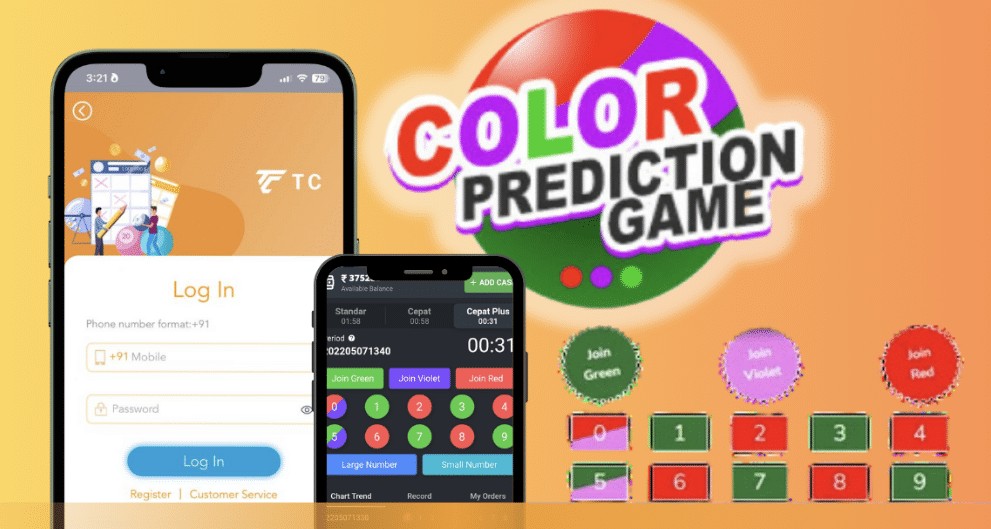
Online color prediction games have become increasingly popular, offering players simple mechanics and the thrill of quick rewards. These platforms like apk download often present themselves as fair and transparent, but not all of them operate ethically. Some exploit players through manipulative practices, hidden algorithms, and misleading promises. Identifying the warning signs of unfair platforms is crucial for players who want to protect themselves from financial loss and psychological harm. This article explores the key indicators that suggest a color prediction platform may not be trustworthy.
Lack of Transparency in Outcomes
One of the clearest warning signs of an unfair platform is the absence of transparency in how outcomes are generated. Legitimate platforms rely on random number generators to ensure fairness, and they often provide information about how these systems work. Unfair platforms, however, may avoid explaining their processes or fail to disclose whether independent audits have been conducted. When players cannot verify the randomness of results, the risk of manipulation increases significantly.
Unrealistic Promotions and Rewards
Another red flag is the use of exaggerated promotions and rewards that seem too good to be true. Platforms that promise guaranteed wins, unusually high payouts, or bonuses that require excessive wagering often aim to lure players into spending more money. These tactics exploit the natural desire for quick gains and can trap users in cycles of repeated betting. Ethical platforms provide realistic incentives, while unfair ones rely on misleading promises to sustain engagement.
Absence of Regulatory Compliance
Regulation plays a vital role in ensuring fairness and accountability in online gaming. Unfair platforms often operate without proper licenses or fail to comply with local gambling laws. They may avoid publishing details about their regulatory status or provide vague information that cannot be verified. Players should be cautious of platforms that do not display clear licensing credentials or that operate in jurisdictions known for weak oversight. The absence of compliance is a strong indicator of potential exploitation.
Poor Security and Privacy Practices
Security is essential in online gaming, especially when financial transactions are involved. Unfair platforms may neglect proper encryption, leaving user data vulnerable to breaches. They may also misuse personal information, sharing it with third parties without consent. A lack of secure payment gateways or unclear privacy policies suggests that the platform does not prioritize user protection. Players should avoid platforms that fail to demonstrate robust security measures, as these practices often accompany broader unethical behavior.
Manipulative Gameplay Features
Some platforms incorporate manipulative features designed to keep players engaged while reducing their chances of winning. This may include altering odds after a player has won several rounds, introducing delays that disrupt gameplay, or displaying misleading notifications that exaggerate success. These tactics create an illusion of control and fairness while subtly tilting the game in favor of the operator. Recognizing these manipulations is essential to avoid falling victim to unfair practices.
Lack of Customer Support
Reliable platforms provide accessible customer support to address player concerns. Unfair platforms, on the other hand, often lack responsive support channels or provide generic responses that fail to resolve issues. When players encounter problems such as delayed withdrawals or unexplained losses, the absence of effective support is a clear warning sign. A trustworthy platform values communication, while an unfair one avoids accountability.
Negative Reputation and Player Feedback
The experiences of other players can reveal much about the fairness of a platform. Unfair platforms often accumulate negative reviews, with users reporting withheld winnings, unexplained losses, or manipulative practices. While no platform is immune to criticism, consistent patterns of negative feedback should not be ignored. Players should research platforms thoroughly, paying attention to independent forums and review sites rather than relying solely on promotional material.
Conclusion
Unfair online color prediction platforms exploit players through a combination of hidden algorithms, misleading promotions, poor security, and lack of accountability. Warning signs such as absence of transparency, unrealistic rewards, regulatory non-compliance, manipulative features, weak customer support, and negative reputations all point to unethical practices. By recognizing these indicators, players can protect themselves from exploitation and make informed decisions about where to play. Ultimately, fairness and transparency are the hallmarks of trustworthy platforms, and any deviation from these principles should be treated with caution. Awareness is the best defense against unfair practices, ensuring that players enjoy color prediction games as entertainment rather than falling victim to manipulation.