
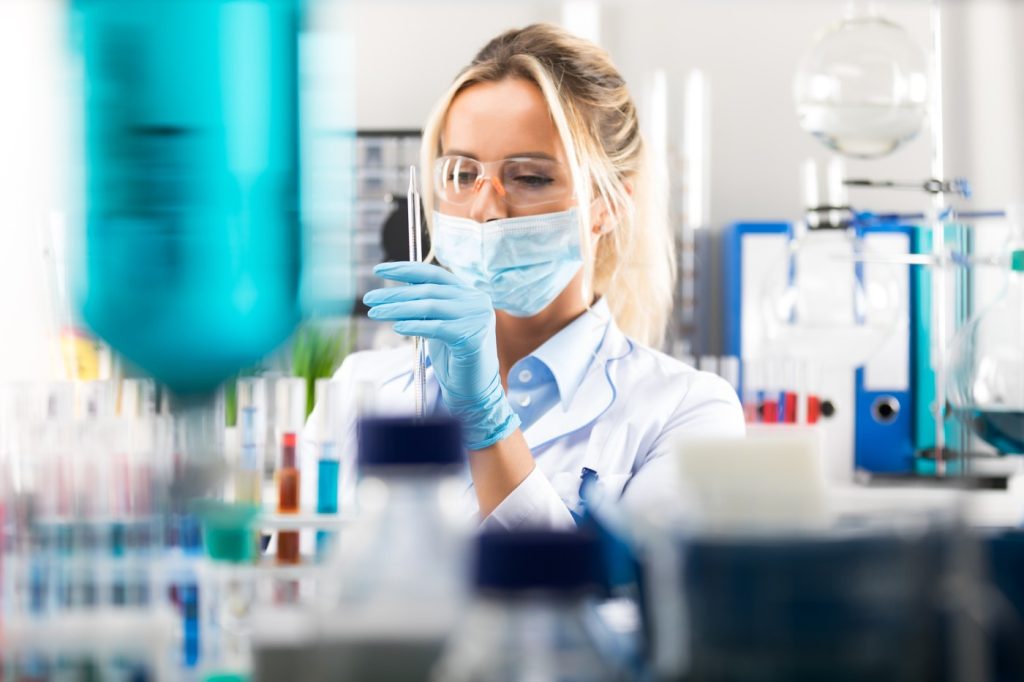
The field of Drug Discovery and Development is one of the most dynamic and transformative areas of modern medicine. Through rigorous scientific investigation and advanced technological approaches, researchers and pharmaceutical companies are able to identify, test, and produce new medications that improve patient outcomes and address previously unmet medical needs. The process is multifaceted, integrating biology, chemistry, pharmacology, and clinical research to translate laboratory findings into therapies that can enhance human health.
The Foundations of Drug Discovery
Drug discovery begins with a deep understanding of disease mechanisms. Researchers study the biological pathways, molecular targets, and physiological processes involved in specific conditions. This foundational knowledge enables the identification of potential therapeutic targets, which are molecules or cellular components that can be modulated to produce a beneficial effect.
Advances in genomics, proteomics, and bioinformatics have revolutionized this early stage. Scientists can now analyze vast datasets to identify genes or proteins that play critical roles in disease progression. Computational models and artificial intelligence further accelerate target identification by predicting molecular interactions and potential drug candidates. These tools allow for a more precise and efficient selection of compounds for further testing.
Preclinical Research and Testing
Once potential drug candidates are identified, they undergo preclinical testing. This phase involves laboratory studies and animal experiments to evaluate safety, efficacy, pharmacokinetics, and pharmacodynamics. Preclinical research provides critical information about how a compound behaves in the body, its potential toxicity, and its therapeutic potential.
High-throughput screening techniques allow researchers to test thousands of compounds against specific targets, narrowing down candidates that demonstrate the most promise. Additionally, innovations such as organ-on-a-chip models and 3D cell cultures provide more accurate simulations of human physiology, reducing reliance on animal testing and improving predictive value for clinical success.
Clinical Trials: From Concept to Treatment
If preclinical results are favorable, a drug candidate progresses to clinical trials, which are conducted in multiple phases to assess safety and effectiveness in humans. Phase I trials focus on safety and dosage in a small group of healthy volunteers. Phase II expands the study to patients with the condition of interest, evaluating both efficacy and side effects. Phase III involves larger populations to confirm effectiveness, monitor adverse reactions, and compare the drug to existing therapies.
Clinical trials are highly regulated to ensure patient safety and scientific integrity. The data collected during these trials are critical for obtaining regulatory approval from agencies such as the Food and Drug Administration (FDA) in the United States or similar organizations worldwide. These trials also provide valuable insights into how different populations respond to therapy, guiding future use and dosage recommendations.
Innovation Through Targeted Therapies
One of the most significant contributions of modern drug discovery is the development of targeted therapies. Unlike traditional treatments that may affect multiple systems in the body, targeted therapies are designed to interact specifically with molecular pathways involved in a disease. This precision reduces side effects and increases effectiveness.
Targeted therapies are particularly impactful in fields such as oncology. By identifying specific genetic mutations or protein expressions in tumors, researchers can develop drugs that selectively attack cancer cells while sparing healthy tissue. This approach represents a paradigm shift from generalized treatment to personalized medicine, where therapies are tailored to individual patient profiles.
The Role of Biotechnology and Advanced Platforms
Biotechnology has played a pivotal role in accelerating innovation in drug development. Techniques such as monoclonal antibody production, recombinant DNA technology, and gene editing have enabled the creation of highly specific therapies that were unimaginable a few decades ago. Biologics, including vaccines and therapeutic proteins, have transformed the treatment landscape for conditions ranging from autoimmune disorders to infectious diseases.
Advanced platforms like CRISPR gene editing and RNA-based therapies are expanding possibilities even further. These technologies allow scientists to address the root causes of diseases at the genetic level, offering potential cures for conditions previously deemed untreatable. RNA vaccines, for instance, demonstrated remarkable efficacy and speed in response to global health emergencies, highlighting the transformative power of innovative drug development.
Regulatory Oversight and Quality Assurance
Regulatory oversight ensures that drug development prioritizes patient safety and efficacy. Agencies establish strict guidelines for laboratory research, clinical trials, and manufacturing processes. Compliance with these regulations ensures that drugs entering the market meet high standards of quality, potency, and safety.
Moreover, pharmacovigilance—the continuous monitoring of drugs after approval—provides ongoing safety assessment. Post-marketing surveillance allows researchers to detect rare adverse events, refine usage guidelines, and improve patient outcomes. This continuous feedback loop supports iterative innovation and ensures that therapies remain safe and effective over time.
Collaboration and Multidisciplinary Research
Innovation in drug discovery is driven by collaboration across multiple disciplines. Chemists, biologists, pharmacologists, clinicians, and data scientists work together to identify and optimize drug candidates. Partnerships between academic institutions, research hospitals, and pharmaceutical companies accelerate progress by sharing knowledge, technology, and resources.
UNT Health Fort Worth exemplifies the integration of research, education, and healthcare in advancing medical innovation. Through its three pillars—Health Education, Health Research, and Health Care—the institution supports the translation of scientific discoveries into practical therapies, contributing to the ongoing evolution of medicine.
Challenges and Future Directions
Despite remarkable advancements, drug discovery faces significant challenges. Developing a new therapy is time-intensive, costly, and carries a high risk of failure. On average, it can take over a decade and billions of dollars to bring a drug from concept to market. Additionally, diseases with complex or poorly understood mechanisms present ongoing obstacles for researchers.
Emerging trends, however, promise to enhance efficiency and effectiveness. Artificial intelligence and machine learning are being employed to predict drug interactions, optimize clinical trial design, and streamline regulatory submissions. Precision medicine approaches continue to expand, enabling therapies that are more effective and better tolerated by patients.
The Impact on Medicine and Society
The innovations arising from drug discovery and development extend far beyond individual therapies. They redefine medical standards, improve quality of life, and extend life expectancy. Breakthroughs in pharmacology have transformed previously fatal diseases into manageable conditions and offered hope for new cures.
Additionally, the development of novel drugs stimulates scientific inquiry, creating a ripple effect that encourages further research and technological advancement. New discoveries inform education, inspire additional studies, and foster a culture of continuous improvement within the medical community.
Conclusion
Drug discovery and development are at the heart of medical innovation. By combining cutting-edge research, advanced technology, and rigorous clinical evaluation, scientists and healthcare professionals create therapies that improve patient outcomes and address unmet medical needs. The process—from initial target identification to clinical trials and regulatory approval—requires precision, collaboration, and a commitment to excellence.
Through targeted therapies, biotechnology, and multidisciplinary research, drug development continues to push the boundaries of medicine, offering solutions for complex health challenges. Institutions like UNT Health Fort Worth demonstrate how integration of education, research, and clinical care can accelerate these advancements. As technology and scientific understanding evolve, the future of drug discovery promises even greater innovation, transforming medicine and enhancing human health worldwide.