

For many, international football is about pride, identity, and history. Beyond the pitch, rivalries between national teams often reflect deeper political, cultural, and emotional layers that span generations. These matchups become more than just sport—they symbolize a nation’s memories, conflicts, and dreams.
Rivalry beyond the game: National identity and historical grudges
National team rivalries often trace back to historical events that shaped national identity. In Europe and South America, some of the most bitter football feuds echo memories of war and conflict.
Germany vs Netherlands – Football in the shadow of war
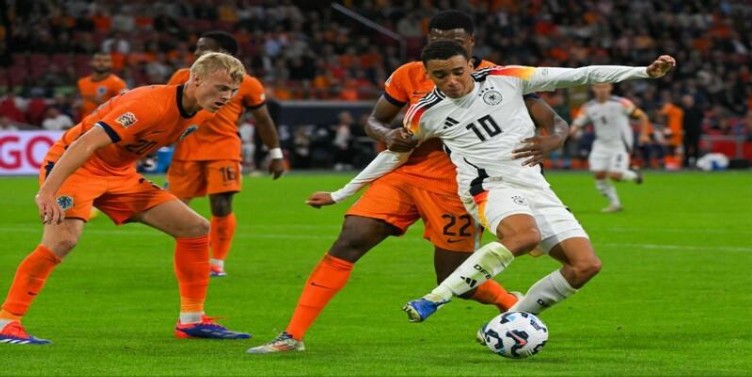
This rivalry took root after World War II, when Nazi Germany’s occupation left deep scars across the Netherlands. Decades later, those wounds still surface each time the two nations face off on the football field. Matches between these two are never ordinary. The 1974 World Cup final, in which West Germany defeated the Netherlands, deepened the rivalry. For Dutch fans, every clash is a chance for redemption. For Germans, it’s about preserving dominance. The emotional intensity rarely fades, making this one of the most historically charged matchups in European football.
England vs Argentina – From the Falklands to the Hand of God
The rivalry between England and Argentina is shaped by both geopolitical conflict and football controversy. The Falklands War in 1982 brought national tensions to a boiling point. Just four years later, Diego Maradona’s infamous “Hand of God” goal and his brilliant solo effort in the 1986 World Cup created an unforgettable moment. For Argentinians, it was poetic justice. For the English, it became a permanent symbol of injustice. This rivalry continues to thrive on layers of military history and football drama.
Continent vs continent: Passion and power in regional clashes
Regional dominance and stylistic contrast fuel some of the most intense rivalries. These matches often define who rules an entire continent—and capture global attention in the process.
Argentina vs Brazil – South America’s eternal battle
The rivalry between Argentina and Brazil is unmatched in South America. With a legacy of football greatness, the two nations regularly produce world-class talent and fiercely compete for continental glory. The contrast is striking: Brazil plays with flair and speed, while Argentina blends grit and skill. From Pelé and Maradona to Neymar and Messi, these encounters are loaded with star power and national pride. Clashes in the Copa America or World Cup qualifiers often feel like wars of football supremacy. Amid the spectacle, fans worldwide tune in to Free Online Soccer with XoilacTV to witness the drama unfold in real time.
South Korea vs Japan – Legacy of colonialism meets modern competition
In Asia, no rivalry carries more weight than South Korea versus Japan. The tension dates back to Japan’s colonial rule over Korea in the early 20th century, and remnants of that history persist in modern football. Every match becomes a symbolic expression of resilience and defiance. Beyond history, both teams are among Asia’s strongest, often meeting in pivotal World Cup qualifiers and Asian Cup matches. The rivalry, while more respectful in recent years, still pulses with a unique cultural and historical undercurrent that fuels national pride on both sides.
Modern tensions, global stages: Football’s role in contemporary politics
Some of today’s fiercest national team rivalries are grounded in current political disagreements. These clashes reflect more recent struggles over identity, borders, and ideology.
USA vs Mexico – Borders, bragging rights, and identity
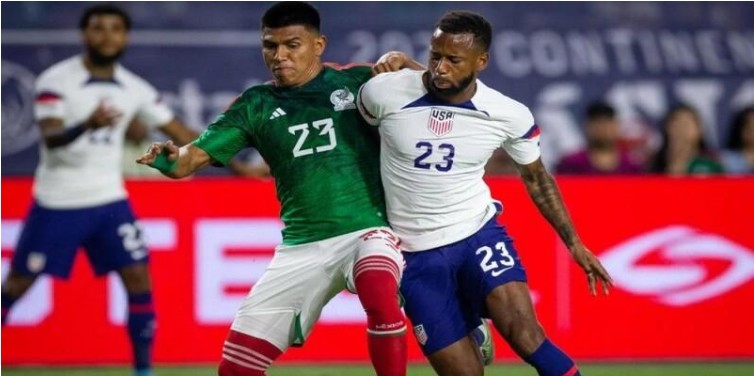
The USA vs Mexico rivalry extends far beyond sport. It reflects issues of immigration, border security, and regional influence. On the field, it’s a battle for CONCACAF supremacy, with each team determined to dominate North American football. For Mexican fans, beating the U.S. is about national dignity. For Americans, it’s a statement of progress and ambition. The rivalry is played in stadiums packed with passion, from Columbus to Mexico City, and watched by millions through platforms like Today’s Match Results and Stats.
Iran vs Saudi Arabia – When geopolitics cross the touchline
This rivalry is perhaps the most politically charged in the Middle East. Rooted in religious, ideological, and geopolitical differences, Iran and Saudi Arabia’s matches transcend sport. Diplomatic tensions mean the teams rarely meet, but when they do, the stakes are massive. Matches are often surrounded by intense media scrutiny and fan fervor. Every goal and foul carries symbolic weight, turning 90 minutes of football into a broader expression of national strength and resolve.
Conclusion
International football rivalries reveal more than athletic competition—they offer a lens into each nation’s soul. Whether fueled by history, politics, or pride, these matchups continue to define the emotional landscape of the sport. When the whistle blows, it’s not just a game—it’s a clash of legacies.