
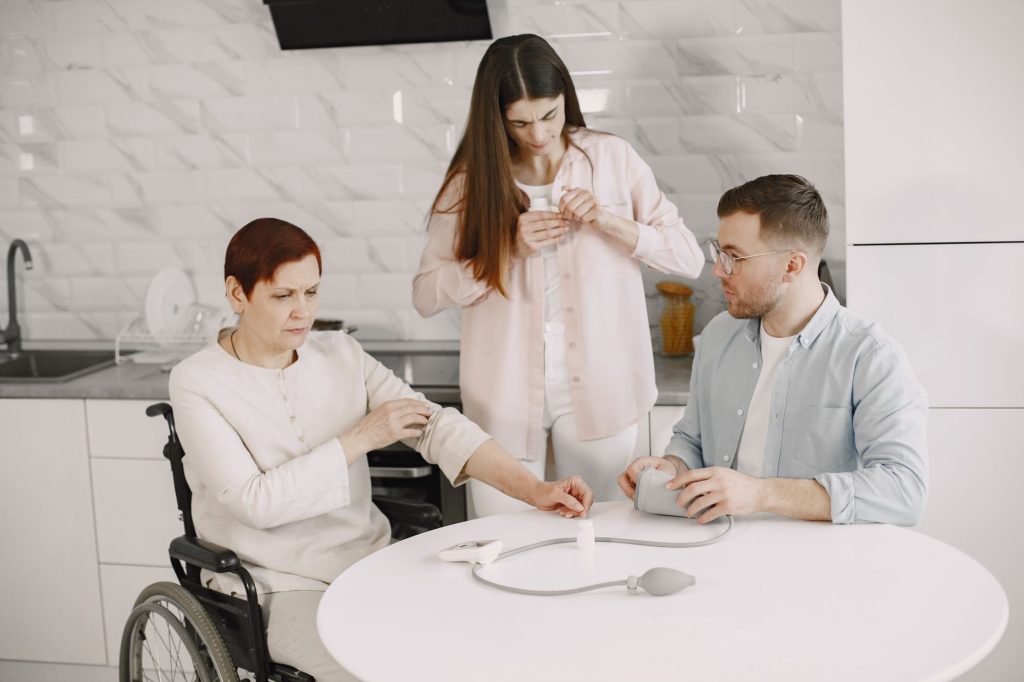
When one member of the family gets seriously ill, life very quickly starts to revolve around their treatment. Appointments, medication, medical reports, and the difficult decisions that come with it all become part of day-to-day life.
For many families, one person quietly takes on much of the responsibility. They’ll keep things running, look after the patient, and essentially hold everything else together. For many people, caregiving is an act of love. It can also be draining, and the person providing the care may need support themselves.
MrMed’s Care for Caregivers initiative highlights this often-unseen experience. It asks a simple but important question: who cares for the caregiver?
Why do caregivers often go unnoticed?
When someone is diagnosed with a serious illness like cancer, the focus naturally shifts to their health. The family wants to understand the diagnosis, explore the right treatment options, and ensure that the patient receives proper cancer care and the best possible treatment.
The carer can become so much a part of the routine that their own needs get completely missed. They’re there at the appointments, they answer the questions from the family, they keep the day going. Their role can become so familiar to everyone around them that it goes unnoticed.
There’s also a difference between being regarded as reliable and actually being supported. A carer who gets on and does everything perfectly may well be seen to be coping. They may not talk about their own problems at all because they don’t want to add to the patient’s distress.
Some people may not even consider themselves to be caregivers at all. They may see their role as simply something that a spouse, child or parent is expected to do.
The role can stay completely invisible until the individual reaches the point where they can’t keep up.
What does caregiving take out of a person?
The demands aren’t always dramatic or obvious. Quite often they’re little things that build up.
A carer may leave work early for an appointment, spend hours travelling to a hospital, have conversations with various health professionals, and then get home to carry on with the day-to-day management of the patient’s care. They may also be expected to remember the treatment plan and help reassure the patient.
There’s an emotional dimension to this as well. To watch a loved one go through illness is to experience uncertainty, fear and helplessness. The carer can find themselves in a position where they feel they have to make decisions, even when there is no obvious right answer.
Personal time can be very difficult to protect. Plans can change at the last minute. Sleep, food, friends and work can all be impacted.
Some people find strength and purpose in caring for a loved one. Others may feel overwhelmed and guilty about wanting a break. Neither response makes someone a better or worse caregiver. You can love someone very much and still need a break from the care.
What happens when everyone says, “Let me know if you need anything”?
It is a familiar offer. Friends and relatives say it because they want to help.
But asking for help can be another task in itself. The carer may have to work out what is required, explain the situation, co-ordinate the details and be at ease in accepting help, when they’re already so stretched that can be a real challenge.
MrMed’s Care for Caregivers campaign highlights this very real gap between providing care and making it easy to receive.
Its film Kuch Hoga Toh Batana is all about the emotional and practical cost of being a caregiver. The message is that people should notice the carer and step in to ask, rather than leave the onus on them.
A more useful offer might be, “I can take your mother to her appointment on Thursday,” or “I’m bringing dinner tonight. Is 7 pm okay?”
The difference is small, but it changes who does the work.
How is MrMed trying to change the conversation?
MrMed’s Care for Caregivers initiative was born out of the experiences of people who are ordering medication for someone they care for. They realised that behind many of the tasks associated with treatment is a family member doing the work, which may not be immediately apparent to others.
There’s an employee caregiver leave policy in place. Eligible staff are entitled to five days of paid caregiver leave per year to support a family member through a serious illness, critical treatment, hospitalisation or bereavement.
This provides employees with a defined period of time away from work during difficult family circumstances. It’s an internal workplace benefit, not a public leave entitlement.
Beyond the workplace, the public campaign encourages people to recognise caregivers and offer practical support.
The initiative’s wider aim is to keep caregivers part of the conversation, beyond a single appeal or moment of attention.
What does meaningful support for a caregiver look like?
Support can take different forms depending on the person and their circumstances. It does not need to be grand or perfectly planned.
For family and friends, practical help may be the most useful place to begin. Take on a task that would otherwise sit with the caregiver, whether that’s managing an appointment, preparing a meal or spending time with the patient while the caregiver steps out.
It also helps to ask questions that leave room for an honest answer.
“How are you managing?” can be more meaningful than “You’re so strong.” The latter may be intended as praise, but it can also make someone feel that they are expected to keep coping without showing difficulty.
Caregivers should be allowed to talk about their frustration, their fear, their tiredness without being made to feel ungrateful. They don’t need to turn every difficult emotion into a ‘lesson’.
Caregiving should not mean being forgotten.
The person being treated is entitled to care, attention and dignity. So is the person who is with them through those difficult days.
The point isn’t that caregivers should do less for their loved ones. The point is that they shouldn’t have to do it all themselves.
Sometimes the most meaningful support is the one that happens before you’ve even asked. A call, a practical offer, a bit of your time can be the thing that reminds them that they’re not invisible.