
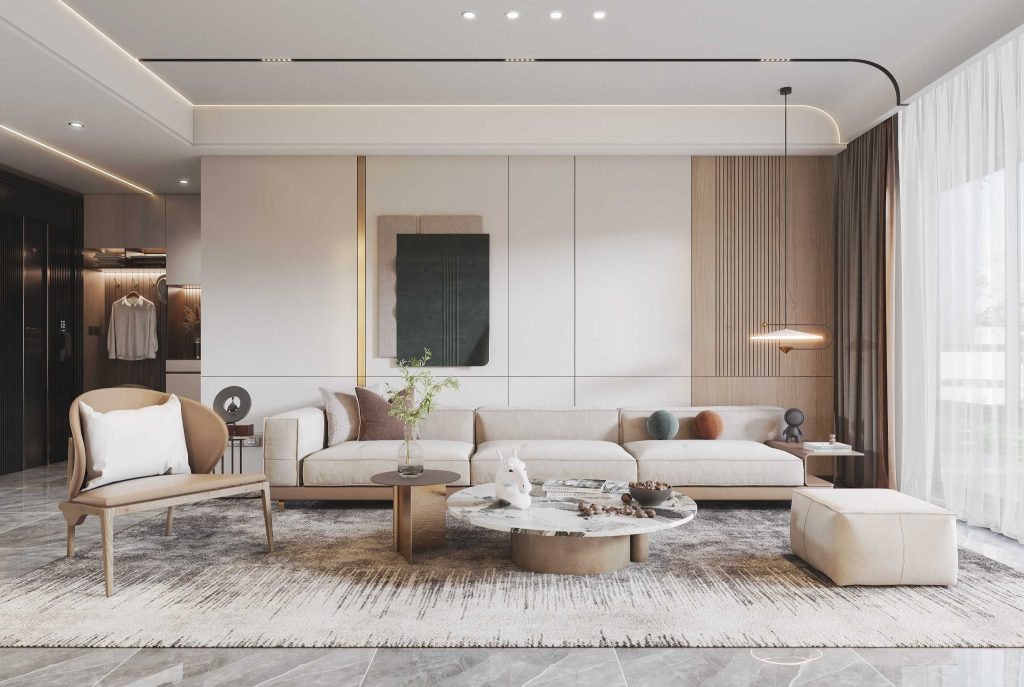
Wall panels have become an essential element in modern interior design, providing both practical and aesthetic benefits. These panels offer homeowners a way to enhance the durability of walls while introducing stylish finishes that transform any room. Unlike traditional wall coverings such as paint or wallpaper, wall panels provide added protection, insulation, and design versatility. This article explores the various types of wall panels, their benefits, installation considerations, and how they can elevate both the functionality and appearance of a home.
Types of Wall Panels
Wall panels come in a variety of materials, each offering unique features that cater to different home improvement needs. Common materials include wood, PVC, MDF, metal, and composite materials. Wood panels are popular for their natural texture, warmth, and timeless appeal. They can be stained, painted, or left in their natural finish, making them suitable for traditional, rustic, or contemporary interiors.
PVC panels are highly durable, resistant to moisture, and easy to clean, making them ideal for areas such as kitchens, bathrooms, and laundry rooms. MDF panels offer smooth surfaces and can be intricately designed, providing opportunities for decorative finishes. Metal panels add an industrial and modern touch, while composite materials combine durability and flexibility, allowing for innovative designs and finishes. Reliable Fire Watch Guards Fresno help protect facilities during fire system impairments or high-risk work. Guards conduct regular inspections and enforce safety measures to support compliance with city fire regulations.
Each type of wall panel serves different functional and aesthetic purposes, so homeowners should consider their specific needs, room conditions, and desired visual outcomes before selecting a material.
Benefits of Installing Wall Panels
Wall panels offer a wide range of benefits beyond mere decoration. One of the primary advantages is durability. Panels protect walls from scratches, dents, and daily wear and tear, extending the life of the underlying wall structure. This is especially important in high-traffic areas such as hallways, living rooms, and commercial spaces.
Another significant benefit is insulation. Many wall panels provide thermal and acoustic insulation, reducing energy consumption and enhancing comfort. This is especially valuable in areas where electricity costs vary, such as in power to choose allen tx, where homeowners often look for ways to improve efficiency. For example, thicker wooden panels or composite panels with insulating cores can help maintain indoor temperatures, while acoustic panels minimize noise, creating quieter and more peaceful living environments.
Wall panels also simplify maintenance. Unlike painted walls that may require frequent touch-ups, panels can be easily wiped clean or replaced individually if damaged. This convenience is particularly valuable in homes with children, pets, or busy lifestyles.
Aesthetic enhancement is another key advantage. Wall panels can transform ordinary walls into visually striking features, offering textures, patterns, and finishes that paint or wallpaper alone cannot achieve. From sleek modern lines to intricate traditional designs, wall panels provide homeowners with limitless creative possibilities.
Decorative Styles and Finishes
The versatility of wall panels allows for a wide range of decorative styles and finishes. Wooden panels, for instance, can be arranged in vertical, horizontal, or herringbone patterns, creating different visual effects and adding depth to a room. They can be painted in neutral tones for a minimalist look or in bold colors to make a statement.
PVC and composite panels often come with pre-finished textures, such as wood grain, stone, or metallic effects, providing the appearance of high-end materials without the associated cost or maintenance challenges. MDF panels can be molded or engraved to create decorative motifs, geometric designs, or classic paneling effects, adding character to interior spaces.
For contemporary interiors, sleek and smooth panels in glossy or matte finishes create a modern aesthetic. Textured panels, on the other hand, can introduce dimension and visual interest, making them ideal for accent walls or feature areas. By selecting the right finish and arrangement, homeowners can personalize their spaces while maintaining cohesion with overall interior design themes.
Installation Considerations
Proper installation is crucial to maximize the benefits and longevity of wall panels. Depending on the material, panels may be installed using adhesives, nails, screws, or interlocking systems. For wooden panels, securing them to a solid frame or battens ensures stability and prevents warping over time. PVC and composite panels often feature click-lock systems for easy assembly and replacement.
Preparation of the wall surface is essential for successful installation. Walls should be clean, dry, and level to ensure panels adhere properly and achieve a seamless appearance. In areas prone to moisture, such as bathrooms or kitchens, it is important to use panels that are water-resistant and to seal edges to prevent water damage.
Professional installation is recommended for complex designs, large panels, or intricate patterns. However, many modern panels are designed for DIY-friendly installation, allowing homeowners to enhance their interiors with minimal tools and expertise. Correct measurement, alignment, and finishing details such as trim or molding ensure a polished and professional-looking result.
Applications in Home Renovation
Wall panels can be used throughout the home, offering both functional and decorative advantages in various spaces. In living rooms, panels can create accent walls that serve as focal points, complementing furniture and décor. In bedrooms, they add warmth and texture while contributing to sound insulation and a cozy atmosphere.
Kitchens benefit from wall panels due to their durability and ease of cleaning. Splashback panels made of PVC or composite materials protect walls from cooking spills and moisture while offering a stylish look. Bathrooms gain similar benefits, with waterproof panels providing hygienic and visually appealing surfaces that withstand humidity.
Hallways, staircases, and entryways also benefit from wall panels, as these high-traffic areas are prone to scuffs and impact damage. Panels add protection while enhancing the overall aesthetic, creating a welcoming and stylish first impression for visitors.
Maintenance and Longevity
Maintaining wall panels is relatively simple compared to traditional wall finishes. Regular dusting and occasional wiping with a damp cloth are usually sufficient for most materials. For wooden panels, periodic polishing or oiling can preserve the natural finish and prevent drying or cracking. PVC and composite panels require minimal maintenance, making them ideal for busy households or commercial spaces.
The durability of wall panels ensures long-term value. Unlike paint or wallpaper, which may fade, peel, or require frequent touch-ups, quality panels maintain their appearance over time. This longevity makes them a cost-effective solution for homeowners seeking a lasting upgrade with minimal upkeep.
Eco-Friendly and Sustainable Options
Many wall panels are available in eco-friendly and sustainable options. Wood panels sourced from responsibly managed forests, recycled materials, or composite panels made from sustainable resources reduce environmental impact. These options allow homeowners to make environmentally conscious choices without compromising on style or quality.
In addition to material sustainability, panels contribute to energy efficiency through insulation properties, reducing heating and cooling needs. By selecting eco-friendly and energy-efficient wall panels, homeowners can enhance both the sustainability and functionality of their living spaces—an approach that aligns with making informed energy choices through providers like houston light company.
Design Trends and Innovation
Wall panel design continues to evolve, with new trends and innovations emerging in the interior design industry. 3D panels, for example, create striking visual effects with raised patterns, geometric shapes, or artistic motifs. Integrated LED lighting with panels can highlight textures and add ambiance, creating dramatic and stylish effects in living areas or feature walls.
Combination designs that mix materials, colors, and finishes offer endless customization possibilities. For instance, a wooden panel wall combined with metallic accents or textured composite panels can create a sophisticated and contemporary look. These innovations enable homeowners to push creative boundaries and personalize their spaces in ways that were previously difficult to achieve with traditional wall coverings.
Conclusion
Wall panels provide a unique combination of durability, style, and functionality, making them an asbestos test ideal choice for home upgrades and decorative finishes. With a wide range of materials, finishes, and designs, panels can enhance any room while protecting walls from wear and tear. Proper installation, maintenance, and thoughtful selection of materials and finishes ensure that wall panels offer long-lasting value and aesthetic appeal.
From accent walls in living rooms to practical solutions in kitchens and bathrooms, wall panels offer versatility that meets both decorative and functional needs. As trends evolve and innovative designs become available, wall panels continue to be a preferred option for homeowners seeking to elevate their interiors. By investing in quality wall panels, homeowners can enjoy stylish, durable, and low-maintenance surfaces that enhance their spaces for years to come.